 Jewish Insider
The politics of being pro-Israel
The article examines Democrats' shift to distinguishing support for the Israeli people from support for Israel's government amid polling, political ambition, and concerns about semantics warping…
More audio from Jewish Insider
-
10m
Qatar slashes its budgets but doubles down on Al Jazeera
Even as Qatar cuts government spending across multiple sectors in response to a steep decline in government revenue following attacks from Iran on its energy infrastructure, Al Jazeera, the influential media network owned by the Gulf state, is undertaking a sweeping expansion of its broadcasting and digital operations. The move underscores what observers say is... <a href="">Read More</a>
-
 3m
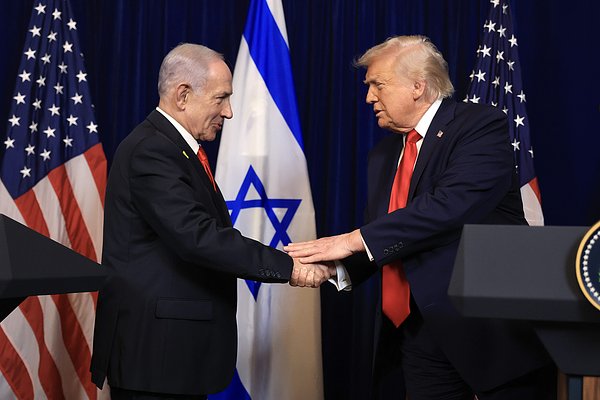
Trump says he made deal ‘months ago’ with Netanyahu to end aid to Israel by end of year
President Donald Trump announced on Tuesday that he made a deal with Israeli Prime Minister Benjamin Netanyahu “months ago” for the U.S. to stop providing military aid to Israel by the end of the year. “Now, as far as paying Israel, Bibi Netanyahu and I have made a deal that — we give Israel $4... <a href="">Read More</a>
-
18m
Who shall rise and who shall fall
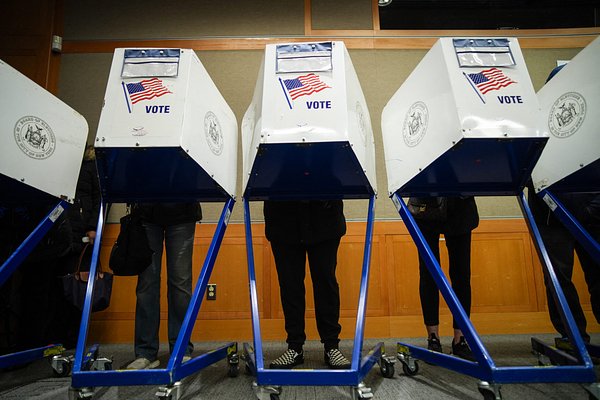
As polls open for the 2026 midterms, Jewish voters navigate a shifting political landscape, while reports emerge regarding antisemitic targeting in Philadelphia and ongoing coalition challenges in Israel.
-
 12m
Jewish Insider's scorecard for the 2026 midterms
Jewish voters are increasingly finding themselves in political no man’s land in this midterm election, even as most are still likely to cast their ballots for Democratic candidates. But the party’s increasingly critical approach to Israel and its nomination of far-left democratic socialists in a number of key races have soured many on its commitment... <a href="">Read More</a>
-
5m
Arab parties still don’t meet Eisenkot’s coalition conditions
While most of the incoming Knesset was aligned against Israeli Prime Minister Benjamin Netanyahu following last week’s election, Yashar party leader Gadi Eisenkot’s ability to turn that majority into a coalition that includes Arab parties remained in doubt as of Tuesday. Eisenkot’s bloc has 48 seats, far short of a majority in the 120-seat Knesset.... <a href="">Read More</a>