 U.S. Right to Know
Plastics may disrupt the body’s clock, raise risk of chronic disease, study finds
Chemicals found in common food packaging plastics like cling film and snack pouches may interfere with the body’s natural 24-hour sleep-wake cycle, increasing the risk of sleep disorders, diabetes,…
More audio from U.S. Right to Know
-
 13m
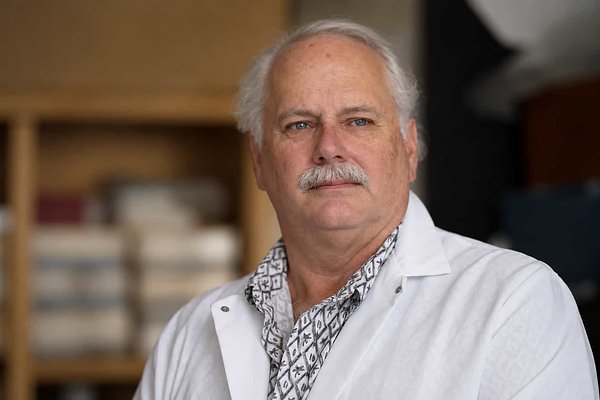
13mRalph Baric warned COVID statement could be used for 'nefarious purposes to shift blame,' email shows
Newly released emails reveal virologist Ralph Baric's private concerns about being pressured to publicly defend his lab's research during the early, tense days of the COVID-19 pandemic.
-
 14m
14mBill Gates promised Africa a farm productivity revolution. The data show sluggish yield growth and rising hunger.
Twenty years ago, the Gates and Rockefeller foundations launched the Alliance for a Green Revolution in Africa (AGRA), promising agricultural transformation from improved seeds, synthetic fertilizers, mechanization, and commercial markets.
-
 10m
10mTracking the Trump administration’s favors to the pesticide industry
Over the past 18 months, the Trump administration has delivered a string of victories to the pesticide industry that could reshape pesticide use and public health protections for years to come.
-
 11m
11mBig Tobacco promotes e-cigarettes, undermines health protections through U.S. business groups worldwide
Tobacco companies remain embedded in influential U.S. business groups worldwide, giving the industry a discreet and powerful channel to weaken regulation and undermine public health, a new study finds.
-
 11m
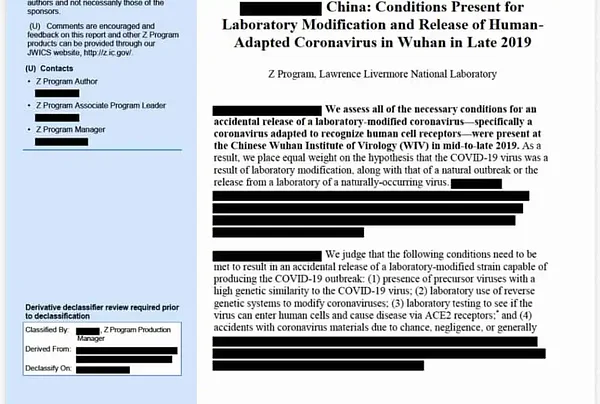
11mNewly Declassified 2020 Intelligence Assessment Found Wuhan Lab’s Conditions Were Ripe For Potential Coronavirus Release
A newly declassified Lawrence Livermore National Laboratory assessment from May 2020 concluded that all of the conditions necessary for an accidental release of a laboratory-modified coronavirus were present at the Wuhan Institute of Virology in China before the COVID-19 pandemic erupted.