 Circle of Blue
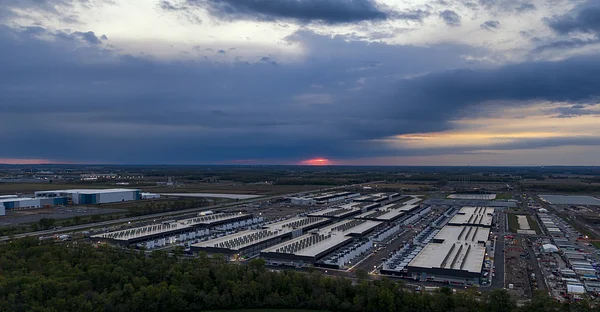
As more ships set out on the Great Lakes, scientists say we need information on the weather they’ll face
This story is a part of the Great Lakes News Collaborative. The Great Lakes region is blessed with an abundance of water. But water quality, affordability, and aging water infrastructure are…
Read the original at Circle of BlueMore audio from Circle of Blue
-
 9m
A Big Blue Pivot for Water and the Environment
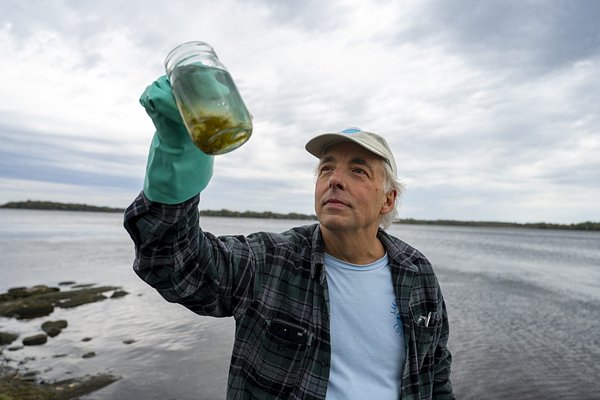
- Voters supported candidates and ballot measures to protect water, land, and communities. - Democratic governors and majorities in Congress and state Legislatures are poised to enact reforms and weaken White House-led attack on the environment. - Water quality activist Chris Jones lost his race for Iowa agriculture secretary but captured an even greater prize.
-
 21m
Vermont Has Spent Nearly a Billion Dollars to Clean Up Lake Champlain. But the Green Slime Keeps Coming Back.
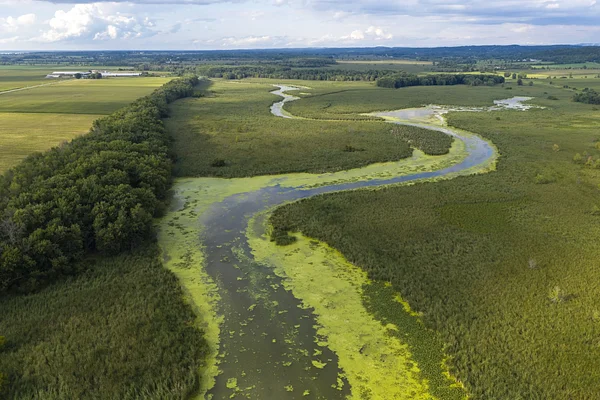
by Jonathan Mingle, Seven Days, with additional reporting by John Dillon, Seven Days This story was originally published by ProPublica. This article was produced for ProPublica’s Local Reporting Network in partnership with Seven Days. Sign up for Dispatches to get our stories in your inbox every week. On the last day of August, Jeff van […]
-
 10m
Vermont Was Supposed to Get an Audit of Its Lake Champlain Cleanup. It Never Happened.
By Jonathan Mingle, Seven Days This story was originally published by ProPublica. This article was produced for ProPublica’s Local Reporting Network in partnership with Seven Days. Sign up for Dispatches to get our stories in your inbox every week. This summer, Vermont’s Clean Water Board celebrated a milestone: Over the past decade, the state has invested nearly a billion dollars to clean up its polluted streams, rivers and lakes. The vast majority of that money has gone toward Lake Champlain. “I think that’s something to be extremely proud of,” said Douglas Farnham, the board’s chair. Vermont was supposed to get an […]
-
 4m
The Troubling Rise in Water Violence – An Interview with Peter Gleick
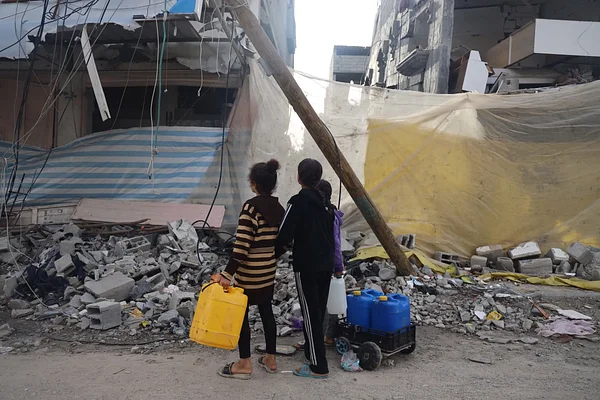
For the average person in a war zone – in Kyiv, say, or Khan Younis or Khartoum – daily life is more dangerous than in conflicts past. Your water supply could be cut. Or an exploded dam could flood your uncle’s place in the countryside. Not to mention being killed in a drone attack while at the hospital. “Conflict is now characterized by less restraint and increasing violence targeting civilians,” write Andrea Carboni and Ciro Murillo of ACLED, a group that tracks violent conflict. “Armed actors around the globe are more willing to use force and blatantly disregard any consequences.” That […]
-
 9m
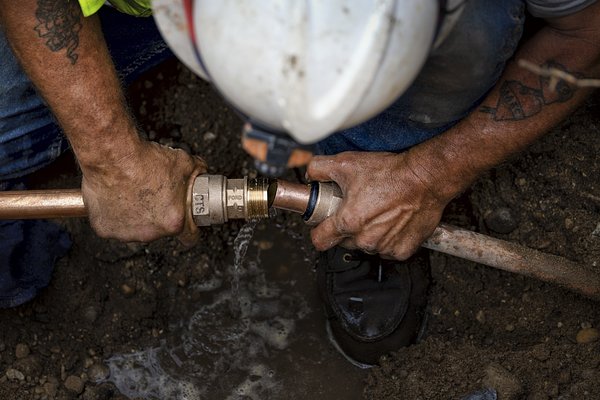
The $43 Billion Water Boost Is Over. Now What?
Funding for an important federal water infrastructure loan program is expected to decrease around 80 percent after a five-year supplement ended in September. This program provides key funding to states for water infrastructure projects like replacing lead service lines. But even at its peak, federal funding fell far short of national need. Congress must figure out how much to appropriate in its annual budget. But newly elected lawmakers will also need to weigh the future of the loan program.