 Concord Monitor
State lays out argument asking N. H. Supreme Court to overturn Claremont school funding precedents
New Hampshire is asking the state Supreme Court to overturn long-standing rulings that establish a constitutional duty for the state to fund public education.
Read the original at Concord MonitorMore audio from Concord Monitor
-
 3m
3mState updates its process for fielding public opinion on transportation projects
When it comes to roads and transportation, everybody has an opinion. How exactly to gather all those opinions isn’t always straightforward. The state Department of Transportation is updating a document with a mouthful of a title — “Cooperative Public Process for Transportation Planning Efforts in Nonmetropolitan Areas of New Hampshire” — that tries to answer […]
-
 4m
4mJohn Stark breaks three-game losing streak with 17-6 win over HB
The John Stark Regional High School football team snapped a three-game losing streak with a 17-6 victory over Hollis-Brookline on Saturday, October 3, 2026.
-
 4m
4mConcord High Principal Jim Corkum hopes to foster student sense of belonging
In 2024, Jim Corkum realized there was a problem at Concord High School. Almost half of its students felt like they didn’t matter. The realization came from the results of the 2023 Youth Risk Behavior Survey. About 53% of high schoolers in the “capital area” answered that they felt they mattered to people in their community, and Concord High School was in line with that percentage. At the time, Corkum was assistant principal at the high school and shared the result with parents, students and staff. After 10 years in that role, Corkum stepped into the principal position in July. He […]
-
 4m
4mOne month out from the midterms, Pete Buttigieg rallies Democratic canvassers in Concord
Kids will get the day off from school on Election Day. Some workers will have a holiday, too. Mandy Macleod will take a bit longer, but she won’t be taking it easy. She plans to take both that Monday and Tuesday, Nov. 3, off from work to knock on doors, campaign for Democrats in New […]
-
 2m
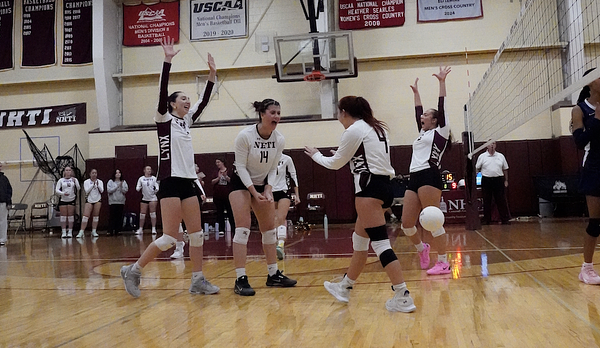
2mLynx seek 2026 championship after dominant 11-win start
NHTI's women's volleyball team is currently tied for the best start in school history with an 8-0 opening following a victory over Great Bay Community College.