 Zócalo Public Square
How Did People Go ‘No-Contact’ in the 1700s?
“My mother would not stop giving my wife criticism on every topic, career, diet, child care, home decorating, make up, clothes, and more. No amount of polite discussions, yelling, and threats by me…
Read the original at Zócalo Public SquareMore audio from Zócalo Public Square
-
 7m
7mWhy Does Botswana’s Democracy Work So Well?
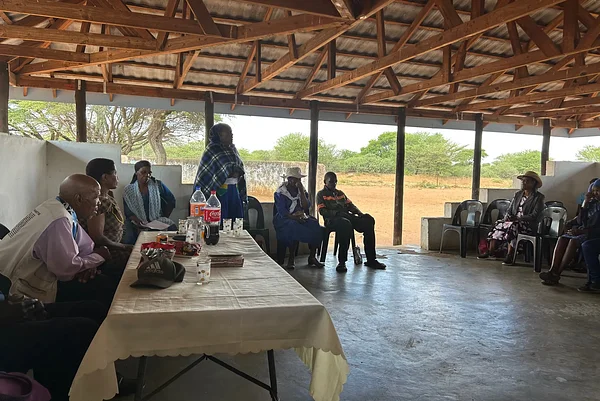
In the village of Mosi (“Smoke” in English), a community of about 500 people in southern Botswana, the meeting began early in the afternoon. "We are small, but that doesn’t matter," one resident said of the 56 people in attendance at the kgotla, a word that describes both the meeting and the hut-style building in which it takes place.
-
 8m
8mThe Messy Fight for Clean, Free Public Bathrooms
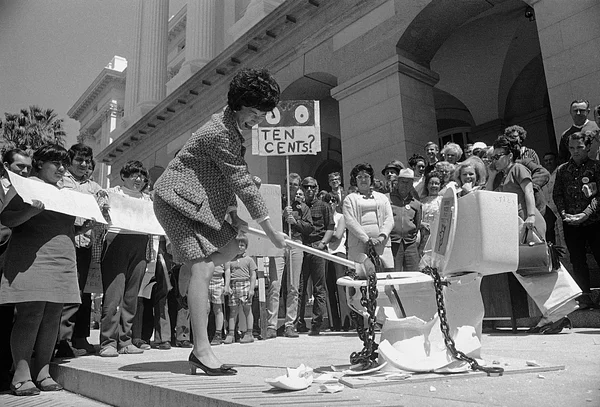
March Fong Fu’s 1970s crusade against pay toilets illustrates a historical shift in American public policy, highlighting how privatized solutions have failed to address systemic inequality and sanitation needs.
-
 7m
7mMy 2030 Doomsday Plan for California
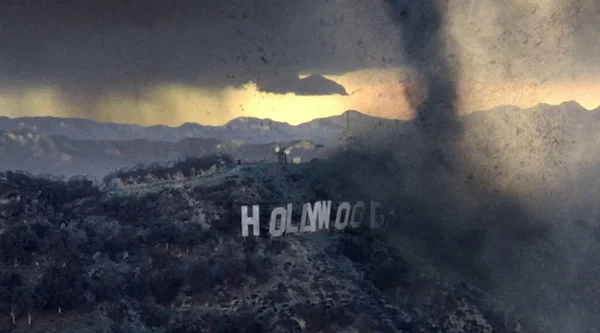
Your columnist will always be here for you, until the very end. Now that we know that the very end is coming soon—artificial general intelligence will kill us all by the close of this decade, according to those who work with artificial general intelligence—I am here to offer my fellow Californians a plan for our last days together.
-
 6m
6mI’m More Excited Than Ever to Teach <i>The Odyssey</i>
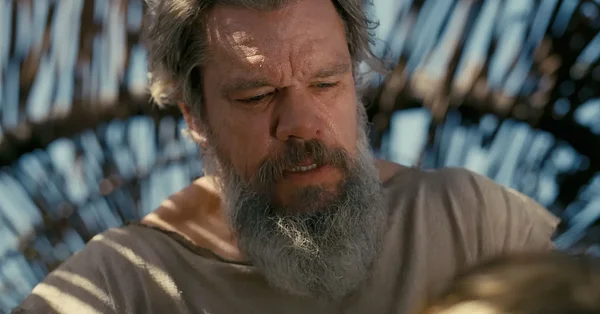
I don’t want the college students I teach to go from having had a good time at the movies to a pedantic and entirely unseductive siren song of a thousand “well-actuallys” when we cover <i>The Odyssey</i> this school year. That’s why my goal in the classroom is to indulge and appreciate the vision of Christopher Nolan’s blockbuster, while also surprising my students with a quirkier, more bizarre version that unfolds over hundreds of pages.
-
 7m
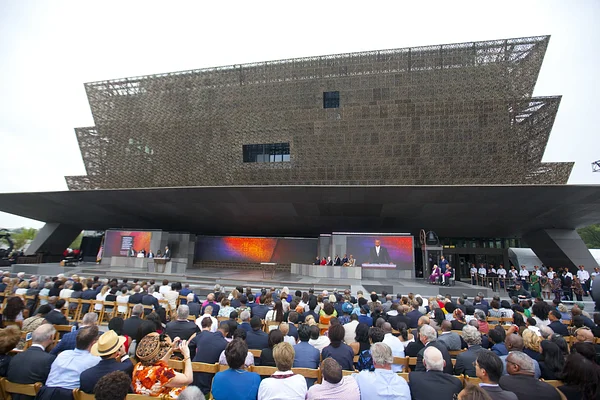
7mWhat Is the Blacksonian’s Role Now?
Earlier this month, Secretary of the Smithsonian Lonnie G. Bunch III announced he would retire at the end of 2026, after a year and a half of persistent pressure on the Smithsonian from the Trump administration. The announcement came just before the 10th anniversary of the opening of the Smithsonian’s National Museum of African American History and Culture, the groundbreaking museum Bunch helped bring into existence.