 U.S. Right to Know
New scientific methods challenge claims that GMOs and glyphosate are safe
A leading molecular geneticist explains how his research challenges claims that GMOs are “substantially equivalent” to non-GMOs — the foundation of U.S. regulations for GMOs — and how regulators are…
More audio from U.S. Right to Know
-
 24m
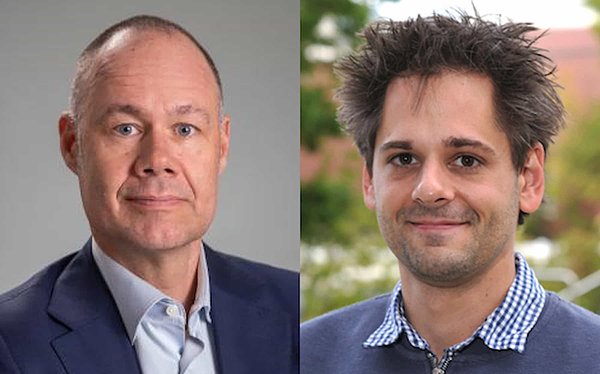
24mBefore COVID, an NIH lab chief proposed making a SARS-like bat virus more infectious
On a Sunday morning in October 2019, the chief of the virus ecology unit at the National Institutes of Health’s Rocky Mountain Laboratories emailed a postdoctoral scientist in his lab with an idea.
-
 11m
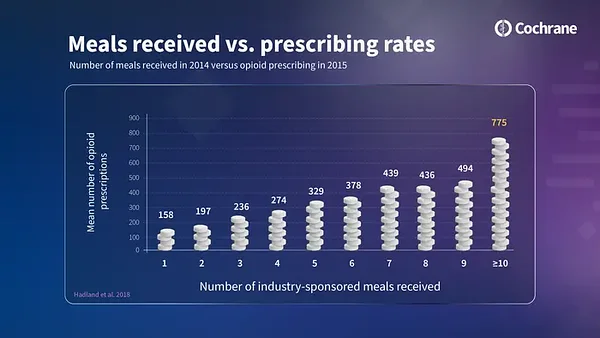
11mDrug company gifts, meals, and payments to doctors lead to worse prescribing, review of 93 studies finds
Gifts, payments, free meals, and other marketing ploys by pharmaceutical companies heavily influence doctors to prescribe more drugs, choose less appropriate treatments, and drive up prescription costs, according to a systematic review of 93 studies.
-
 10m
10mHormone-disrupting chemical mixtures linked to excess childhood weight
Children exposed during pregnancy and early life to combinations of chemicals that disrupt hormones and metabolism may face a greater risk of excess weight that persists into adolescence, a new study suggests.
-
 13m
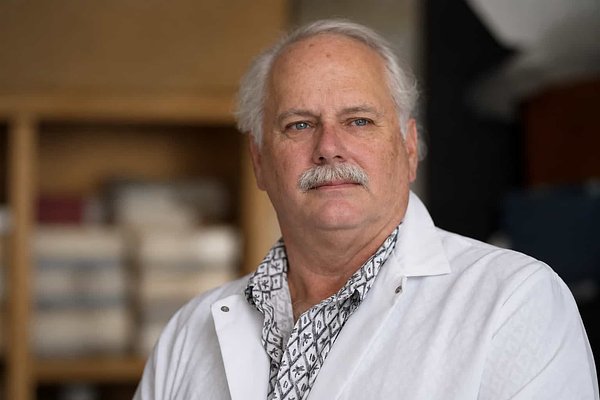
13mRalph Baric warned COVID statement could be used for 'nefarious purposes to shift blame,' email shows
Newly released emails reveal virologist Ralph Baric's private concerns about being pressured to publicly defend his lab's research during the early, tense days of the COVID-19 pandemic.
-
 14m
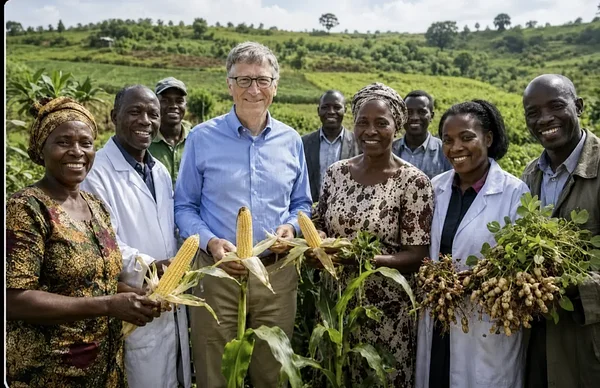
14mBill Gates promised Africa a farm productivity revolution. The data show sluggish yield growth and rising hunger.
Twenty years ago, the Gates and Rockefeller foundations launched the Alliance for a Green Revolution in Africa (AGRA), promising agricultural transformation from improved seeds, synthetic fertilizers, mechanization, and commercial markets.