 Zócalo Public Square
Will U.S. Soccer Finally Recognize Latinos?
This article explores the history of Latino players in U.S. soccer, highlighting how past exclusion and cultural struggles still haunt the sport as the 2026 World Cup approaches.
Read the original at Zócalo Public SquareMore audio from Zócalo Public Square
-
 8m
8mHow 1492 Created the U.S.A.
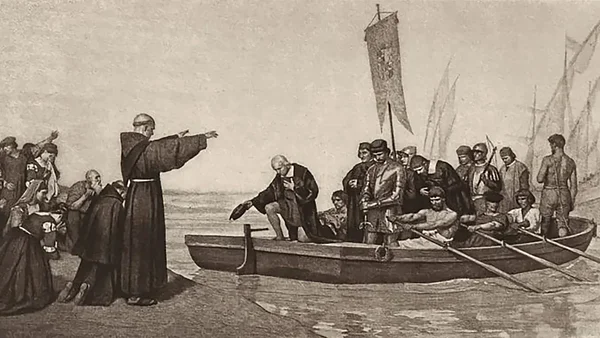
While 1776 marks American political independence, the arrival of Christopher Columbus established lasting norms of resource extraction, human exploitation, and religious expansion that continue to shape modern society.
-
 6m
6mGive the Kids Their Documentaries
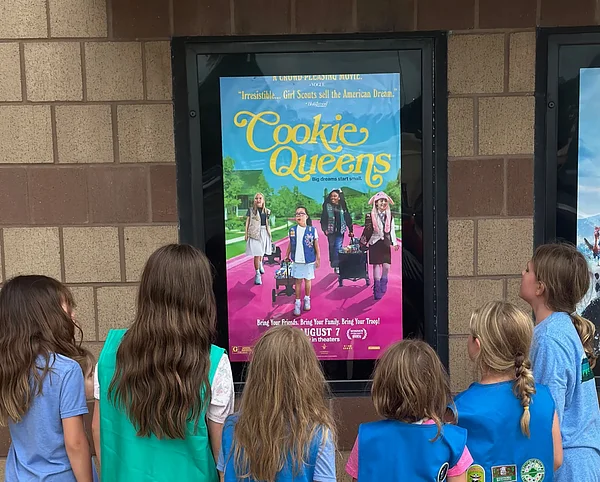
Filmmakers, and adults in general, need to do a better job of trusting young people to take in and understand how the world works. We as artists can tell them stories that are incisive and entertaining. They can think critically about labor, economy, gender, class, and other issues. In the process, they’ll gain knowledge about the world around them and direct experience with the power of storytelling itself.
-
 7m
7mWhy Does Botswana’s Democracy Work So Well?
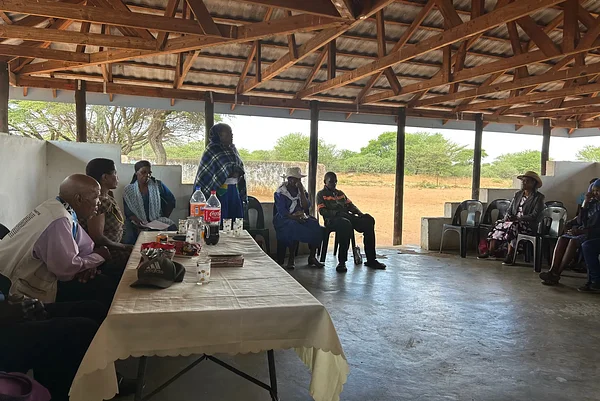
In the village of Mosi (“Smoke” in English), a community of about 500 people in southern Botswana, the meeting began early in the afternoon. "We are small, but that doesn’t matter," one resident said of the 56 people in attendance at the kgotla, a word that describes both the meeting and the hut-style building in which it takes place.
-
 8m
8mThe Messy Fight for Clean, Free Public Bathrooms
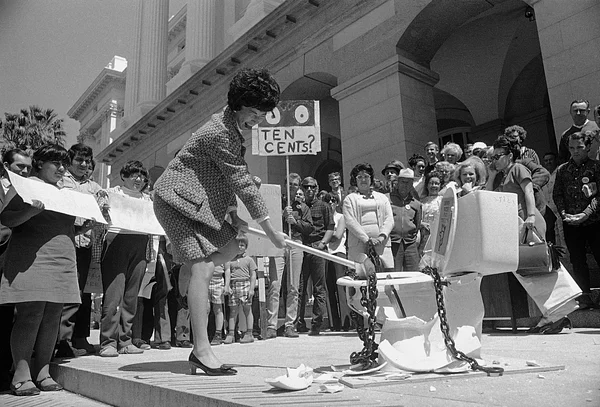
March Fong Fu’s 1970s crusade against pay toilets illustrates a historical shift in American public policy, highlighting how privatized solutions have failed to address systemic inequality and sanitation needs.
-
 8m
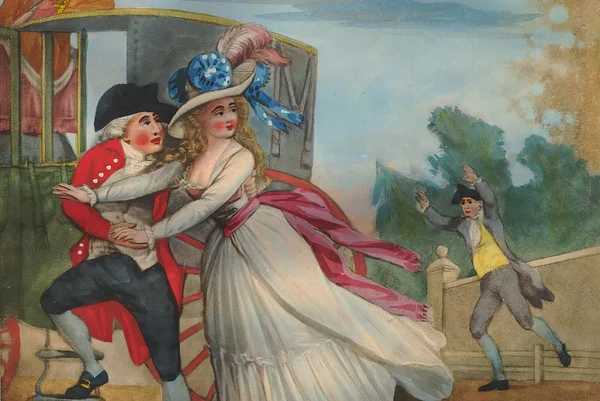
8mHow Did People Go ‘No-Contact’ in the 1700s?
“My mother would not stop giving my wife criticism on every topic, career, diet, child care, home decorating, make up, clothes, and more. No amount of polite discussions, yelling, and threats by me made it stop. … So I cut mom out for the most part,” one Reddit user recently explained to another. This is just one post of thousands across social media featuring advice about the choice to go “low contact” or “no contact” with family members.